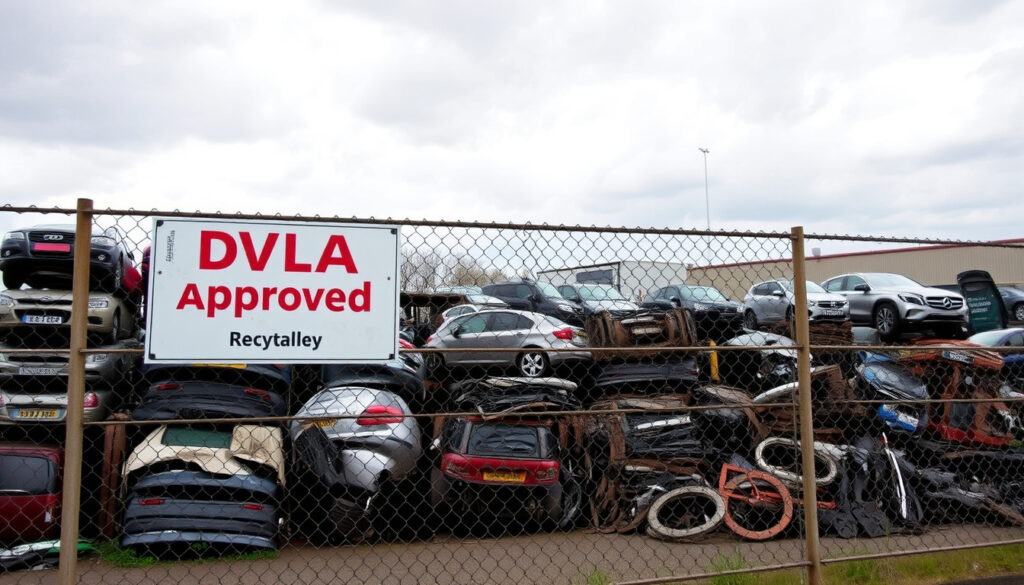
Car Breakers Near Me – Find DVLA-Approved Yards UK
Finding reliable car breakers near you has become significantly simpler, with DVLA-approved facilities operating across the United Kingdom offering comprehensive services for vehicle disposal, parts recycling, and competitive cash payments. These specialised yards provide essential infrastructure for responsible end-of-life vehicle management, serving both individual car owners and commercial fleet operators seeking efficient disposal solutions. Understanding what these facilities offer and how to access their services can help ensure you receive fair value while meeting all legal requirements for vehicle scrapping.
The car breaking industry plays a vital role in automotive recycling, with approved facilities processing thousands of vehicles annually while maintaining strict environmental and documentation standards. Whether you need to dispose of a damaged vehicle, sell an MOT failure, or simply replace an older car, knowing how to find and evaluate local car breakers can save considerable time and money. Most UK facilities now offer free collection services, handle all necessary paperwork, and provide immediate payment options for qualifying vehicles.
How to Find Car Breakers Near You
Locating authorised car breakers in your area requires knowing which directories and resources provide verified listings of licensed operators. The UK government maintains an official directory specifically designed to help vehicle owners find registered scrapyards, breaker yards, and Authorised Treatment Facilities across England, Scotland, Wales, and Northern Ireland. This searchable resource allows you to input your location and identify nearby facilities that comply with environmental and registration requirements.
Beyond government resources, many DVLA-approved breakers maintain their own websites with detailed information about service areas, accepted vehicle types, and collection procedures. Facilities such as Metro Breakers operating in Hertfordshire and London, Shewalton Car Spares covering Ayrshire, and Beck Row Dismantlers Ltd serving Suffolk and Norfolk represent the types of regional operators you may find in your vicinity. These businesses typically indicate their licensing status prominently and provide clear contact methods for obtaining quotes and arranging collections.
Specialist yards that dismantle end-of-life vehicles to recover reusable parts and process materials for recycling
Spare parts sales, scrap vehicle collection, certificate of destruction issuance, and environmental recycling
Eco-friendly disposal, competitive cash payments, free collection, and complete legal documentation
Always verify DVLA-approved status and Environment Agency certification before arranging disposal
Key Insights on Choosing Reliable Car Breakers
- Always confirm DVLA registration and Environment Agency licensing before proceeding with any transaction
- Obtain quotes from multiple facilities to ensure competitive pricing for your vehicle
- Verify that the facility issues official certificates of destruction as required by law
- Check customer reviews and testimonials for indicators of service quality and reliability
- Confirm whether free collection is included and what documentation will be required
- Understand that prices vary based on vehicle condition, model, weight, and current scrap market values
- Prioritise facilities that can process vehicles without requiring the V5 registration certificate
| Fact | Detail |
|---|---|
| Average Scrap Value | £200-£500 depending on vehicle model, condition, and current market prices |
| Licensing Requirements | Environment Agency registered as Authorised Treatment Facilities (ATF) |
| Collection Services | Most facilities offer free nationwide collection with same-day or scheduled options |
| Payment Timeline | Payment typically processed within 24-48 hours via bank transfer, cheque, or PayPal |
| Documentation | Certificate of destruction issued as legal proof of vehicle disposal |
| Recycling Rate | Approved dismantlers recycle over 95 percent of processed vehicle materials |
| V5 Processing | Many operators can process vehicles without requiring the V5 registration certificate |
| Vehicle Acceptance | Facilities accept damaged cars, non-runners, MOT failures, flood damage, and write-offs |
What Services Do Car Breakers Offer
DVLA-approved car breakers provide comprehensive services designed to handle every aspect of vehicle disposal from initial contact through to final documentation. Understanding the full range of services helps vehicle owners make informed decisions and ensures they select facilities that meet their specific requirements. Most established operators offer free collection, handle all necessary paperwork, and provide immediate payment upon vehicle removal.
Collection and Disposal Options
The cornerstone of modern car breaking services involves free vehicle collection, with most DVLA-approved facilities offering same-day or scheduled pickup across their service areas. Operators such as Birmingham Autobreak and Beck Row Dismantlers Ltd have built their reputations partly on reliable collection services that accommodate vehicle owner schedules and urgent disposal needs. Collection drivers typically arrive with all necessary documentation and complete the transaction at the roadside, eliminating the need for vehicle owners to transport their cars to physical locations.
Documentation handling represents another critical service component, with reputable breakers managing all paperwork required by law. This includes issuing certificates of destruction that serve as official proof of vehicle disposal, protecting former owners from potential liability issues, road tax obligations, or congestion charge complications that could arise from vehicles remaining registered in their names. According to guidance from Shewalton Car Spares, these certificates provide legal protection and ensure compliance with DVLA requirements for vehicle deregistration.
Receiving an official certificate of destruction upon vehicle collection protects you from future liability, road tax charges, and any issues arising from the vehicle’s continued registration under your name.
Spare Parts and Recycling Services
Beyond scrap processing, many car breakers maintain extensive inventories of reusable components recovered from processed vehicles. Facilities like P&T Moore in Leominster and Birmingham Autobreak stock replacement parts for various makes and models, offering cost-effective alternatives to new components for vehicle repair needs. These parts typically undergo inspection to assess their condition and suitability for resale, providing buyers with affordable options while supporting the circular economy approach to vehicle maintenance.
Environmental compliance drives the recycling focus of approved facilities, with operators achieving material recovery rates exceeding 95 percent for processed vehicles. This means that virtually everything removed from end-of-life vehicles gets channelled into appropriate recycling streams rather than landfill disposal. Metal components flow to scrap metal processors, fluids get collected and disposed of through licensed channels, and hazardous materials receive specialist treatment as required by environmental regulations. For more information on licensed scrap metal dealers and their environmental obligations, you can consult Environment Agency guidance.
If your vehicle has valuable reusable components, some breakers may offer better prices when they can sell parts individually rather than processing the car solely for scrap weight.
Car Breaker Prices and Quotes
Understanding how car breaker pricing works helps vehicle owners set realistic expectations and identify fair offers when obtaining quotes. Scrap vehicle values fluctuate based on several factors including the current market price for scrap metal, the vehicle’s weight and composition, its make and model, overall condition, and whether reusable parts might increase its value. Most reputable breakers update their pricing weekly to reflect market conditions and may offer price-matching if you have received competing quotes from other facilities.
Getting Competitive Quotes
Obtaining multiple quotes represents the most effective strategy for ensuring you receive fair value when selling a vehicle for scrapping. Facilities like Beck Row Dismantlers Ltd explicitly offer competitive pricing with the option to match or beat previous quotes from other operators, creating natural incentives for buyers to comparison shop. When requesting quotes, be prepared to provide accurate information about your vehicle’s make, model, year, condition, and any missing components or damage that might affect its value.
Payment methods vary among operators but typically include bank transfer, business cheque, and PayPal options. According to information from Birmingham Autobreak, many facilities process payments immediately at roadside collection or within minutes of vehicle receipt. This immediate payment capability eliminates concerns about delayed compensation and provides peace of mind that your transaction will conclude promptly upon vehicle handover.
Factors Affecting Vehicle Value
Vehicle type significantly influences pricing, with facilities accepting a broad range including damaged cars, non-runners, MOT failures, flood-damaged vehicles, insurance write-offs, vans, and trucks regardless of running condition. Vehicles with intact reusable components or those belonging to models with high parts demand may command premium prices compared to identical vehicles stripped of valuable elements. The presence of precious metals in catalytic converters and other components can also affect valuations for certain vehicle types.
Scrap prices fluctuate based on metal markets and regional demand. Obtaining quotes from multiple licensed facilities ensures you capture competitive offers reflecting current conditions rather than accepting potentially outdated pricing.
The Car Breaker Process: From Quote to Payment
- Initial Contact: Provide vehicle details to one or more DVLA-approved breakers to receive competitive quotes based on make, model, condition, and current market values.
- Quote Comparison: Review offers from multiple facilities, considering not only price but also collection availability, included services, and payment timeline guarantees.
- Collection Scheduling: Arrange a convenient pickup time with your chosen facility, confirming whether the service area covers your location and if any documentation will be required.
- Vehicle Handover: Meet the collection driver at the scheduled time, provide keys and any required documentation, and receive payment via your preferred method.
- Documentation Receipt: Obtain your certificate of destruction as legal proof of proper vehicle disposal, keeping this record for your files.
- DVLA Notification: The facility typically handles DVLA notification, but retaining your certificate provides protection if any registration issues arise.
This streamlined process typically concludes within hours of initial contact for same-day collection requests, though scheduling flexibility allows for advance arrangements if preferred. Professional operators maintain communication throughout to confirm details and ensure smooth transaction completion.
What We Know and What Remains Unclear
| Established Information | Information That Remains Unclear |
|---|---|
| Licensed breakers recycle over 95 percent of vehicle materials | Exact pricing for specific vehicles requires individual quotes as values vary considerably |
| DVLA-approved facilities issue certificates of destruction | Precise processing times may differ between individual facilities |
| Most offer free collection within advertised service areas | Availability of specific spare parts depends on current inventory |
| Payment typically processes within 24-48 hours | Some facilities may have additional requirements for unusual vehicle types |
| Environment Agency certification ensures proper disposal compliance | Regional variations in service offerings may affect available options |
The Role of Car Breakers in Vehicle Lifecycle Management
Car breakers occupy a critical position within the broader automotive ecosystem, serving as the primary channel through which end-of-life vehicles enter the recycling stream. This role extends beyond simple disposal to encompass component recovery, material processing, and environmental compliance that would otherwise burden vehicle manufacturers, local authorities, and individual owners. The structured regulatory framework governing these facilities ensures that vehicles reaching the end of their operational lives receive proper treatment rather than inappropriate disposal. The Environment Agency’s codes of practice for Authorised Treatment Facilities outline the standards these businesses must meet.
The economic significance of the car breaking sector should not be underestimated, with thousands of businesses operating across the United Kingdom and processing substantial volumes of vehicles annually. This industry provides affordable replacement parts for vehicle maintenance, supports environmental sustainability objectives through high recycling rates, and offers convenient disposal services that save vehicle owners time and transportation costs. The competitive nature of the market creates incentives for facilities to improve customer service and maintain fair pricing practices.
Looking at 261 Bus Timetable Cork – Schedules, Stops and Frequencies illustrates how local service directories help citizens access transportation resources, similar to how car breaker directories enable vehicle owners to find proper disposal services. The underlying principle of connecting service seekers with appropriate local providers remains consistent across different sectors and geographic regions.
Regulatory Standards and Compliance Requirements
All DVLA-registered breakers must comply with specific environmental and administrative standards that protect vehicle owners and ensure proper end-of-life vehicle processing. Environment Agency certification as Authorised Treatment Facilities requires facilities to maintain appropriate storage, processing, and disposal capabilities while maintaining detailed records of all vehicles received and materials processed.
Environment Agency guidance on end-of-life vehicle treatment requirements
Vehicle owners bear responsibility for ensuring their end-of-life vehicles reach appropriately licensed facilities, as improper disposal can result in environmental violations and potential legal liability. The certificate of destruction serves as evidence that this responsibility has been discharged appropriately through authorised channels.
DVLA requirements for vehicle scrapping and deregistration
Summary
Finding reliable car breakers near you involves verifying DVLA approval status, comparing quotes from multiple licensed facilities, and confirming that proper documentation including certificates of destruction will be provided. The UK’s network of approved breakers and scrap yards offers comprehensive services encompassing free collection, competitive pricing, spare parts availability, and environmental compliance through high recycling rates. Whether disposing of a damaged vehicle, an MOT failure, or simply replacing an older car, working with registered operators ensures legal compliance while often generating useful funds from otherwise worthless vehicles. Taking time to research local options and obtain several quotes typically results in better outcomes than accepting the first offer received. For those considering additional vehicle-related purchases, exploring Skoda Kodiaq for Sale – New and Used Prices, Specs 2024 may provide relevant context for replacement vehicle decisions.
Frequently Asked Questions
What documents do I need to scrap my car?
While many DVLA-approved breakers can process vehicles without the V5 registration certificate, having it available helps expedite the transaction. The collection driver typically handles remaining documentation and provides you with a certificate of destruction upon completion.
How quickly will I receive payment for my scrap vehicle?
Payment timelines vary by facility, but most offer immediate roadside payment via bank transfer, PayPal, or cheque. Standard processing typically completes within 24-48 hours, with some operators offering instant payment options at the point of collection.
Do car breakers accept vehicles that are not running?
Yes, licensed car breakers accept vehicles regardless of running condition. Non-runners, MOT failures, flood-damaged vehicles, and vehicles with significant structural damage can all be processed for scrap or parts recovery.
Is free collection available everywhere in the UK?
Most DVLA-approved facilities offer free collection within their stated service areas, though coverage varies by operator. Urban and central locations typically have multiple options, while more remote areas may require longer scheduling lead times.
What happens to my car after it’s collected?
Vehicles undergo initial assessment to identify valuable reusable parts, which get recovered and added to inventory for resale. Remaining components get processed for material recovery, with over 95 percent of vehicle materials typically recycled through appropriate channels.
How do I verify a car breaker is properly licensed?
Look for evidence of DVLA registration and Environment Agency certification, typically displayed on business websites and premises. You can also verify facilities through the government’s official scrapyard directory at gov.uk.
Can I get a better price by selling parts separately?
If your vehicle has valuable reusable components and you have time to facilitate individual sales, this approach may yield higher returns. However, selling to a breaker provides immediate payment, free collection, and eliminates the hassle of managing multiple transactions.
What protection does the certificate of destruction provide?
The certificate serves as legal proof that your vehicle was properly disposed of through an authorised facility. This documentation protects you from future liability related to the vehicle, including road tax obligations, congestion charges, parking fines, or any issues arising from its deregistered status.
More related posts
 Simple Banana Bread Recipe – Easy One-Bowl Loaf
 Restless Legs in Bed: Immediate Relief That Works
 Best Apps for Focus and Concentration – Top 2024 Picks Tested
 When Is iOS 26 Coming Out? Release Date, Updates & Guide
 Claddagh Ring How to Wear: Meaning, Finger Position & Rules
 Limerick Houses for Sale – Latest Prices and Top Areas
 Jon Bon Jovi Wife: Dorothea Hurley, 36-Year Marriage
 Europa League Final 2025: Tottenham 1-0 Man Utd Result