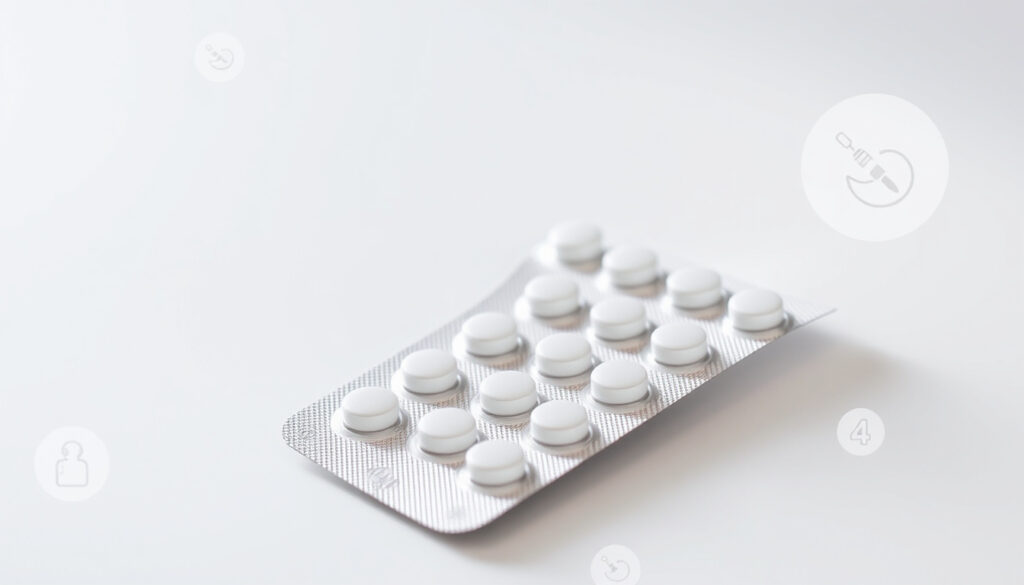
What is Buscopan Used For? Uses, Dosage & Side Effects
Stomach cramps can derail your day—interrupting meals, commutes, work. Buscopan targets these spasms directly, but using it correctly requires knowing its limits. This guide draws on NHS, the UK’s medicines regulator, and Ireland’s health authority to cover uses, dosage, and safety.
Active ingredient: Hyoscine butylbromide ·
Primary uses: Stomach cramps, IBS ·
Form: 10mg coated tablets ·
Onset: 15-30 minutes ·
Official sources: NHS, HPRA
Quick snapshot
- Relieves GI spasms linked with IBS (NHS)
- Blocks acetylcholine to relax gut muscles (IBS Clinics)
- Available as General Sales List medicine in UK (UK Government/MHRA)
- Precise efficacy for isolated gas/bloating without cramps
- Long-term safety data for continuous use beyond a few weeks
- Buscopan IBS Relief reclassified to General Sales List in 2023 (MHRA)
- 60-tablet pack now available in general retail outlets
- For IBS-C patients: Buscopan should be avoided—osmotic laxatives recommended instead (Bucks Gastroenterology)
- For IBS-D patients: Buscopan is most effective for cramping abdominal pain (Bucks Gastroenterology)
These specifications apply to all Buscopan tablets, whether prescribed or purchased over the counter as Buscopan Cramps or Buscopan IBS Relief.
| Property | Detail |
|---|---|
| Generic name | Hyoscine butylbromide |
| Tablet strength | 10mg |
| Injection strength | 20mg/ml |
| Minimum approved age | 12 years |
| Treats | GI spasms, IBS, bladder cramps, period pain |
| Availability | Over-the-counter (pharmacy and retail in UK) |
| Irish posology | 2 tablets (20mg) 4× daily for adults |
What is Buscopan used for?
Buscopan is an antispasmodic medication containing hyoscine butylbromide as its active ingredient. It works by blocking the action of acetylcholine, a chemical messenger that causes muscles in the gut to contract. By relaxing those muscles directly, it relieves the painful squeezing sensations that come with gastrointestinal spasms.
Stomach cramps
The most common use for Buscopan is relieving painful stomach cramps, whether from food-related digestive upset or other causes. The NHS notes that Buscopan “relieves painful stomach cramps linked with irritable bowel syndrome (IBS)” and can also help with bladder cramps and period pain. It is not an anti-inflammatory medication and does not directly reduce bowel inflammation.
Irritable Bowel Syndrome (IBS)
Clinical research supports the effectiveness of Buscopan in managing abdominal pain and cramping in IBS. A review from IBS Clinics found that Buscopan was particularly effective in reducing pain episodes compared to placebo treatments. The medication is most effective for IBS-D (diarrhea-predominant) patients experiencing cramping abdominal pain. IBS is a functional disorder that does not involve inflammation, unlike inflammatory bowel disease (IBD).
Buscopan offers short-term relief and does not address underlying causes of IBS such as dietary triggers or stress. Many IBS patients combine Buscopan with holistic treatments including dietary changes and stress reduction techniques for longer-term management.
Other applications
Beyond IBS, Buscopan can indirectly help alleviate gas and bloating by reducing muscle spasms that trap gas. However, it does not directly promote or regulate bowel movements and is not designed to treat constipation. For trapped wind and bloating without cramping pain, simeticone-based products or digestive enzymes may be more targeted options, while osmotic laxatives or fibre supplements are generally recommended for IBS patients experiencing constipation, according to IBS Clinics guidance.
When should you not use Buscopan?
Buscopan is not suitable for everyone. Before taking it, you should confirm with a doctor that you have Irritable Bowel Syndrome, as the Patient Information Leaflet (PIL) from Medicines.org.uk states Buscopan should “only be taken if a doctor has confirmed that the patient has Irritable Bowel Syndrome.” There are also specific medical conditions that make Buscopan contraindicated.
Medical conditions to avoid
Buscopan should not be taken if you have myasthenia gravis, glaucoma, or an enlarged prostate. The antispasmodic action can worsen these conditions. The HPRA product information (PDF) provides detailed contraindications that should be reviewed before use.
Pregnancy and breastfeeding
If you are pregnant or breastfeeding, consult a healthcare professional before using Buscopan. Not all antispasmodics are appropriate during pregnancy, and a qualified prescriber can advise on the safest option for your situation.
Buscopan IBS Relief is approved for use in adults and children aged 12 years and over for relief of gastrointestinal tract spasm associated with medically confirmed IBS, according to UK Government (MHRA) guidance. Self-diagnosing IBS and self-medicating without confirmation may lead to inappropriate treatment of other conditions.
How quickly does it take for Buscopan to work?
Buscopan starts to work within 15 minutes of administration, according to Buscopan Official Product Information. Full relief typically follows within 30-45 minutes, making it suitable for on-demand use during symptom flares.
Oral tablets
For most adults, Buscopan tablets begin relieving cramping within 15-30 minutes of taking them. The Bucks Gastroenterology (Dr Arif Hussenbux) notes that Buscopan provides relief within 30-45 minutes, making it ideal for on-demand use during symptom flares. Buscopan does not usually upset the stomach and can be taken with or without food, according to NHS guidance.
Injectable form
In clinical settings, Buscopan is also available as a 20mg/ml injection for faster action when oral administration is not feasible. This form is typically used in hospitals under medical supervision.
Buscopan increases rectal pain thresholds significantly, directly addressing the visceral hypersensitivity component of IBS that makes even mild gas or food movement feel excruciating. This is why it tends to work better for cramping pain than for bloating alone.
“Buscopan is a type of medicine called an antispasmodic. It relieves painful stomach cramps linked with irritable bowel syndrome (IBS).” — NHS (UK National Health Service)
“In Ireland, Buscopan 10mg coated tablets are indicated for relief of spasm of the gastrointestinal tract and symptomatic relief of IBS.” — HPRA (Irish Health Products Regulatory Authority)
What are the side effects of Buscopan?
Like all medications, Buscopan can cause side effects, though not everyone experiences them. Common side effects include dry mouth, blurred vision, dizziness, and constipation. These are usually mild and resolve as your body adjusts to the medication.
Common side effects
- Dry mouth
- Blurred vision
- Dizziness
- Mild constipation
Serious side effects
Allergic reactions and fast heartbeat are less common but require medical attention if they occur. Stop taking Buscopan and seek medical advice if you experience any sudden swelling, difficulty breathing, or irregular heart rhythm. The NHS and Cork University Hospital (CUH) provide detailed side effect listings in their patient information resources.
Buscopan dosage and how to take
Understanding the correct dosage is essential for safe and effective use. All Buscopan tablets contain 10mg of hyoscine butylbromide whether obtained on prescription or bought over the counter as Buscopan Cramps or Buscopan IBS Relief.
Adults dosage
The NHS standard dosage for IBS in adults and children aged 12+ is 1 tablet taken 3 times daily, which can be increased to 2 tablets 4 times daily if needed. For on-demand use, 1-2 tablets can be taken at symptom onset, repeatable every 30 minutes, with a maximum of 6 tablets daily, according to Bucks Gastroenterology guidance.
Maximum daily dose
The maximum daily dose is 100mg (10 tablets) per day for prescription-strength use, though on-demand over-the-counter use typically caps at 6 tablets daily. In Ireland, the HPRA-recommended posology is two tablets (20mg) four times daily for adults and children over 12 years.
Special populations
For children aged 6-11 years, the usual NHS dose for stomach cramps is 1 tablet taken 3 times daily. Buscopan IBS Relief is suitable for ages 12 and over only.
| Population | Dosage | Frequency |
|---|---|---|
| Adults and children 12+ | 1-2 tablets (10-20mg) | 3-4 times daily |
| On-demand use | 1-2 tablets at onset | Every 30 min, max 6/day |
| Children 6-11 years | 1 tablet (10mg) | 3 times daily |
| Irish adults (GI spasm) | 2 tablets (20mg) | 4 times daily |
Dosage flexibility—regular three-times-daily or as-needed dosing up to six tablets—allows patients to match intake to symptom patterns.
Upsides
- Fast-acting: relief within 15-30 minutes
- Targets the root cause of cramping (muscle spasms)
- Available over the counter in the UK (General Sales List)
- No significant stomach upset; taken with or without food
- Lactose-free and gluten-free formulation
- Increases rectal pain thresholds for visceral hypersensitivity
Downsides
- Not suitable for IBS-C (constipation-predominant) patients
- Does not address underlying IBS causes (diet, stress)
- Causes dry mouth, blurred vision, mild constipation
- Maximum 6 tablets on-demand daily limits flexibility
- Requires confirmed IBS diagnosis before use
- Not effective for constipation or inflammation
Related reading: Slipped Disc in Lower Back: Fix, Heal & Treatment Guide · Walk In Doctor Waterford: Clinics, Hours & Costs Guide
Frequently asked questions
Is Buscopan good for stomach gas?
Buscopan can indirectly help alleviate gas and bloating by reducing muscle spasms that trap gas. However, its primary action is on muscle contractions rather than gas itself. If your main complaint is trapped wind without cramping pain, Buscopan may offer limited direct benefit.
Will Buscopan settle my stomach?
Buscopan relieves stomach cramps caused by muscle spasms in the digestive tract. If your discomfort is from cramping rather than nausea or indigestion, it can help. However, it is not an anti-nausea medication and does not address acid reflux or gastritis.
What should I avoid while taking Buscopan?
Avoid driving or operating machinery if you experience blurred vision or dizziness. Do not take Buscopan with other antispasmodics without medical advice. Avoid using it for constipation-predominant IBS (IBS-C) as it may worsen the condition.
What are 7 symptoms of IBS?
Common IBS symptoms include: abdominal pain or cramping (the main symptom Buscopan targets), bloating, gas, diarrhea (IBS-D), constipation (IBS-C), mixed stool patterns (IBS-M), and food intolerance sensitivity. Buscopan addresses the pain and cramping component specifically.
Can I take Buscopan for diarrhea?
Buscopan is most effective for IBS-D (diarrhea-predominant) patients with cramping abdominal pain. While it does not directly treat diarrhea, it can help manage the painful cramping that often accompanies diarrhea-predominant IBS. It does not have anti-diarrheal properties.
How many Buscopan can I take?
The standard adult dose is 1-2 tablets (10-20mg) taken 3 times daily, increasing to 2 tablets 4 times daily if needed. For on-demand use, you can take 1-2 tablets at symptom onset every 30 minutes, with a maximum of 6 tablets daily. Never exceed 100mg (10 tablets) per day without medical supervision.
For UK residents, the choice is straightforward: a confirmed IBS diagnosis opens the door to an accessible, fast-acting option that targets cramping pain directly. For Irish patients, the HPRA-aligned dosing of 20mg four times daily gives a slightly higher baseline, but the core message holds—Buscopan works where it matters most, on muscle spasms, and it does so within minutes.
More related posts
 Portuguese Man o’ War: Facts, Sting Treatment, Box Jellyfish
 Is Three Network Down Today Ireland? Live Status & Map
 TV Shows with Suranne Jones: Full List & New 2025 Drama
 Real Madrid vs Liverpool: History, Finals, and How to Watch
 Brasileirão Série A Statistics 2026: Top Scorers & Table
 Next Bank Holiday in Ireland: 2026 Dates
 Women’s Cricket World Cup 2026 Schedule: Fixtures, Venues, TV
 How to Create a Backup Plan Step by Step: 3-2-1 Rule Explained