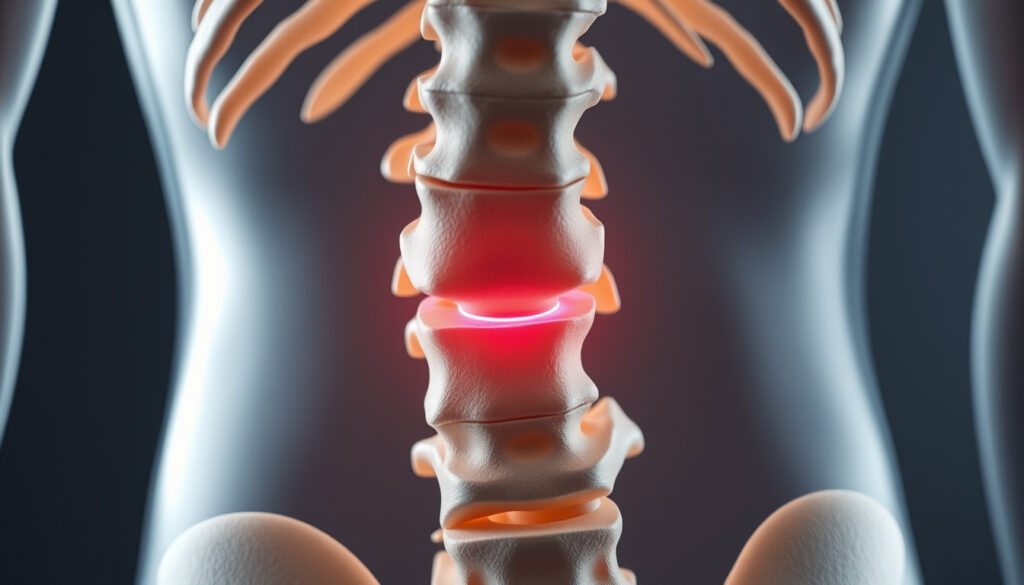
Slipped Disc in Lower Back: Fix, Heal & Treatment Guide
A slipped disc—sometimes called a herniated or bulging disc—happens when one of those soft cushions between your spine bones pushes out past where it should be. For most people, it’s unsettling but rarely the emergency it might feel like at the moment. In fact, the majority resolve on their own within 6 weeks to 3 months without surgery. Here’s what the latest medical guidance says about getting through it, what actually helps, and when to worry.
Typical Healing Time: 6 weeks to 3 months · Common Pain Areas: Lower back, buttocks, thigh, calf · Improvement Rate: Majority resolve naturally · Top Trigger: Disc outer layer weakens and tears · Walking Recommendation: Generally beneficial
Quick snapshot
- Disc herniation from weakening outer layer (Mayo Clinic)
- Most improve within 6 weeks to 3 months (Hospital for Special Surgery)
- Conservative therapy usually sufficient (NCBI)
- Exact painkiller superiority varies by individual
- Individual healing speed variations depend on multiple factors
- Long-term outcomes of specific exercise protocols
- Lower back pain
- Leg pain or numbness radiating to calf
- Bulging disc material pressing on nerves
- Gradual walking on flat surfaces
- Core strengthening exercises
- Heat therapy for muscle relaxation
The key facts about lumbar disc herniation at a glance:
| Fact | Detail |
|---|---|
| Definition | Soft cushion between spine bones bulges out |
| Prevalence Site | Lower back |
| Pain Radiation | Buttocks, thigh, calf |
| Self-Resolution | Most within 6 weeks to 3 months |
| Common Age Range | 30s–50s most affected |
| Surgery Need | Rarely required for lumbar discs |
How do you fix a slipped disc in your lower back?
The good news: most slipped discs in the lower back respond well to treatment that doesn’t involve going under the knife. Conservative therapy—meaning treatments that don’t require surgery—is usually enough to handle the symptoms caused by a lumbar slipped disc, according to research published by the National Center for Biotechnology Information.
Non-surgical treatments
A few days of rest combined with over-the-counter anti-inflammatory medications may be all that’s required to alleviate back pain from a herniated disc, report NYU Langone Health physicians. The key is not to stay inactive for too long—prolonged bed rest can actually stiffen the spine and slow recovery.
Physical therapy plays a major role in recovery. A physical therapist designs a program that strengthens the core—the muscles in the back, abdomen, upper thighs, and buttocks—which is essential because weak core muscles force the spine to bear more weight, potentially worsening instability, NYU Langone Health explains.
Core strengthening directly alleviates pressure on the nerves affected by a slipped disc—and this isn’t optional. If core muscles stay weak, the spine continues compensating, which can extend pain and delay healing for months.
When a disc herniates, surrounding muscles often tighten as a protective response, which adds more pressure to the spine. Myofascial release and manual therapy can relieve this tension in overactive muscles and fascia, while also improving blood flow, reducing inflammation, and helping the spine re-align naturally, according to Medici Ortho specialists.
When surgery is needed
Most people do not need surgery to relieve symptoms of a herniated disc. However, surgery becomes an option when neurological deficits worsen—such as increasing weakness in the leg, loss of bowel or bladder control, or when pain remains severe despite months of conservative treatment, NYU Langone Health notes.
The herniated fragment contains water that will naturally absorb back into the body over time. As water is absorbed, the herniated piece begins to shrink on its own without surgical intervention, Insight Chicago orthopedic specialists explain.
How long does it take for a slipped disc to heal?
Healing timelines vary, but the majority of disc herniations improve on their own within six weeks to three months, reports the Hospital for Special Surgery. This doesn’t mean you’ll feel terrible the entire time—most people experience significant improvement within the first several weeks.
Natural healing timeline
The body releases enzymes that help break down and clear the herniated disc material naturally. This process takes time, but it works. The exact duration depends on the size of the herniation and how your body responds to treatment, according to NCBI research.
Factors affecting recovery
Several factors influence how quickly you recover: age, overall fitness level, whether you smoke, how long you waited before seeking treatment, and how closely you follow your rehabilitation program. Staying active within pain limits, maintaining good posture, and avoiding heavy lifting all support faster recovery.
What this means: those who’ve had back problems for years may take longer to heal than someone experiencing their first episode. Consistency with prescribed exercises matters more than any single treatment session.
Is a slipped disc serious?
Most of the time, a slipped disc is uncomfortable but not dangerous. Some slipped discs don’t cause any noticeable symptoms at all, while others lead to severe back pain—the range is wide, NCBI notes.
Risk factors
Certain factors increase the likelihood of developing a slipped disc: age ( discs lose water content and elasticity over time), physically demanding jobs or hobbies, obesity, genetics, and smoking (which reduces blood flow to spinal tissues), Mayo Clinic explains.
Complications
A slipped disc in the lumbar region can press on the sciatic nerve and cause pain that radiates down one leg and into the foot—commonly called sciatica. In rare cases, severe disc herniation can cause cauda equina syndrome, a serious condition requiring immediate medical attention, NCBI warns.
The catch: while most cases resolve without complications, ignoring worsening neurological symptoms—such as leg weakness or numbness in the saddle area—can lead to permanent nerve damage. Know the red flags.
Is walking good for a herniated disc?
Walking is one of the most recommended activities during disc herniation recovery—and for good reason. Walking improves blood flow to the spine, reduces stiffness, and helps the disc receive nutrients that support healing, Total Ortho & Sports Medicine physicians report.
Benefits of walking
Walking strengthens the core and stabilizing muscles without putting excessive pressure on the injured disc. This low-impact activity promotes spinal mobility, which allows for better disc hydration and healing, according to Total Ortho & Sports Medicine.
Patients who walk regularly often report less reliance on pain medication and faster return to daily activities than those who stay sedentary—but only if they start slowly and listen to their bodies.
Precautions
The recommended walking protocol: take 10-20 minute walks on a flat, level surface every 2-3 hours without worrying about speed or distance. Walking should start with short, slow walks and increase in time as symptoms improve, HealthPartners Blog advises. Avoid hills, uneven terrain, and walking through acute pain flares.
The trade-off: walking too far, too fast, or on unsuitable terrain can temporarily aggravate symptoms. The solution is progressive loading—gradually increase duration before increasing pace or difficulty.
What are the first signs of a slipped disk?
A slipped disc announces itself differently depending on where it occurs and how much nerve pressure it creates. Recognizing the patterns helps you seek treatment faster.
Pain patterns
Arm or leg pain occurs when a herniated disk is in the lower back—the pain often radiates through the buttocks and down the thigh toward the calf, Mayo Clinic describes. The pain may worsen with coughing, sneezing, or sitting, and improve when lying down or walking.
Some people experience numbness or tingling in the leg or foot, muscle weakness in affected muscles, and pain that worsens after standing or walking short distances.
Other symptoms
The slipped disc itself—a bulging soft cushion between spine bones—may not cause pain if it isn’t pressing on a nerve. The NHS defines a slipped disc as when the soft cushion bulges outwards, potentially causing pain when it presses against nearby nerves.
Why this matters: the absence of severe pain doesn’t rule out a slipped disc. Some people have significant herniations with minimal symptoms, while others have small herniations causing intense pain. Imaging helps clarify when symptoms persist.
How to treat disc problems in back?
Treatment approaches fall into several categories, from immediate pain relief to long-term prevention strategies. The right combination depends on symptom severity and how your body responds.
Heat and cold therapy
Ice packs should be used during acute flare-ups to calm nerve irritation, while gentle heat relaxes muscles and increases circulation. Heating pads should be used on low for 15 to 20 minutes every 2 or 3 hours, Kaiser Permanente recommends. Cold compresses or ice packs should be used immediately following a back injury to alleviate pain by numbing the area and prevent swelling, Harvard Health instructs.
Physical therapy and exercise
Stabilization exercises alone can significantly reduce pain and stiffness in lumbar disc herniation patients, Royal Spine Surgery physicians report. Extension exercises allow the symptomatic part of the disc to move inward and away from the spinal nerves, Insight Chicago orthopedic specialists explain.
Epidural steroid injections
When oral medications aren’t enough, epidural steroid injections can reduce inflammation and provide temporary herniated disc relief for spinal nerves irritation, Goodman Campbell Spine physicians note. These injections often allow patients to participate more fully in physical therapy and rehabilitation.
What research confirms
- Disc herniation occurs when outer layer weakens and tears (Mayo Clinic)
- Most improve within 6 weeks to 3 months without surgery (Hospital for Special Surgery)
- Walking improves blood flow and supports disc healing (Total Ortho)
- Core strengthening reduces pressure on affected nerves (NYU Langone Health)
- The herniated fragment naturally absorbs over time (Insight Chicago)
What remains unclear
- Exact superiority ranking of different painkillers
- Precise individual healing speed variations
- Long-term outcomes of specific exercise protocols
- Optimal timing for returning to high-impact activities
Questions about slipped disc in lower back
Majority of disc herniations improve on their own within six weeks to three months without surgical intervention.
Arm or leg pain commonly occurs when a herniated disk is in the lower back—the pain radiates through the buttocks and down the thigh toward the calf.
A slipped disc is when the soft cushion that sits between the bones in your spine bulges outwards from its normal position.
For anyone dealing with a slipped disc in the lower back, the path forward is clear: start with conservative treatment, stay as active as your symptoms allow, and give your body the 6 weeks to 3 months it typically needs to resolve the issue naturally. If symptoms worsen significantly or new neurological signs appear, seek medical evaluation promptly—but for the majority of patients, this is a condition that heals with patience and proper support.
Related reading: Top 5 Mistakes After Knee Replacement – Avoid Them for Smoother Recovery · Walk In Doctor Waterford: Clinics, Hours & Costs Guide
Slipped discs rank prominently among lower back pain causes, typically healing naturally within 6 weeks to 3 months using conservative approaches.
Frequently asked questions
What triggers a slipped disc?
A slipped disc occurs when the outer layer of the disc weakens and tears, allowing the soft inner material to bulge outwards. Risk factors include age-related disc degeneration, physically demanding activities, obesity, genetics, and smoking, which reduces blood flow to spinal tissues.
What can be mistaken for a slipped disc?
Conditions that can mimic a slipped disc include muscle strains, sacroiliac joint dysfunction, spinal stenosis, piriformis syndrome, and hip osteoarthritis. Each produces lower back or leg pain but requires different treatment approaches. Proper diagnosis often requires imaging and clinical examination.
Is spondylolisthesis the same as a slipped disc?
No—spondylolisthesis and a slipped disc are different conditions. Spondylolisthesis occurs when a vertebra slips forward over the one below it, often due to a structural defect or fracture. A slipped disc, by contrast, involves the soft disc material bulging outward. Both can cause back pain, but they have distinct causes and treatments.
How to relieve herniated disc pain in lower back at home?
Home remedies include applying ice during acute pain flares followed by heat to relax muscles, taking over-the-counter anti-inflammatory medications, performing gentle stretching exercises, and walking short distances regularly. Avoid prolonged bed rest, heavy lifting, and activities that worsen pain.
What is the best painkiller for a herniated disc?
Over-the-counter anti-inflammatory medications like ibuprofen or naproxen are typically first-line choices for herniated disc pain. For severe pain, a doctor may prescribe muscle relaxants, nerve pain medications, or recommend epidural steroid injections. The best option depends on pain severity and individual health factors.
How to heal a herniated disc quickly?
While you can’t force a herniated disc to heal faster than biology allows, you can optimize conditions: follow physical therapy protocols consistently, stay active within pain limits, maintain good posture, avoid smoking, eat an anti-inflammatory diet, and manage stress. Most herniated discs shrink naturally within 6 weeks to 3 months.
How to treat disc problems in back?
Treatment combines several approaches: physical therapy with core strengthening and stabilization exercises, progressive walking on flat surfaces, heat and cold therapy, anti-inflammatory medications, and possibly epidural injections for severe cases. Surgery is reserved for patients with progressive neurological deficits or pain unresponsive to months of conservative care.
More related posts
 Limerick Houses for Sale – Latest Prices and Top Areas
 I Am a Celebrity 2025 – Angry Ginge Wins, Full Lineup
 Best Lomito Sandwich Near Me in Dublin: 2025 Guide
 JJ Kavanagh Real Time: How to Track Buses Live
 Irish Whale and Dolphin Group: Cetacean Conservation Guide
 Naruto Shippuden Filler List: Every Episode You Can Skip
 Waterford vs Derry City: Prediction, H2H, Lineups & Stats | 2026
 Arthur Onslow Edward Guinness, Viscount Elveden – Biography, Family and WWII Legacy