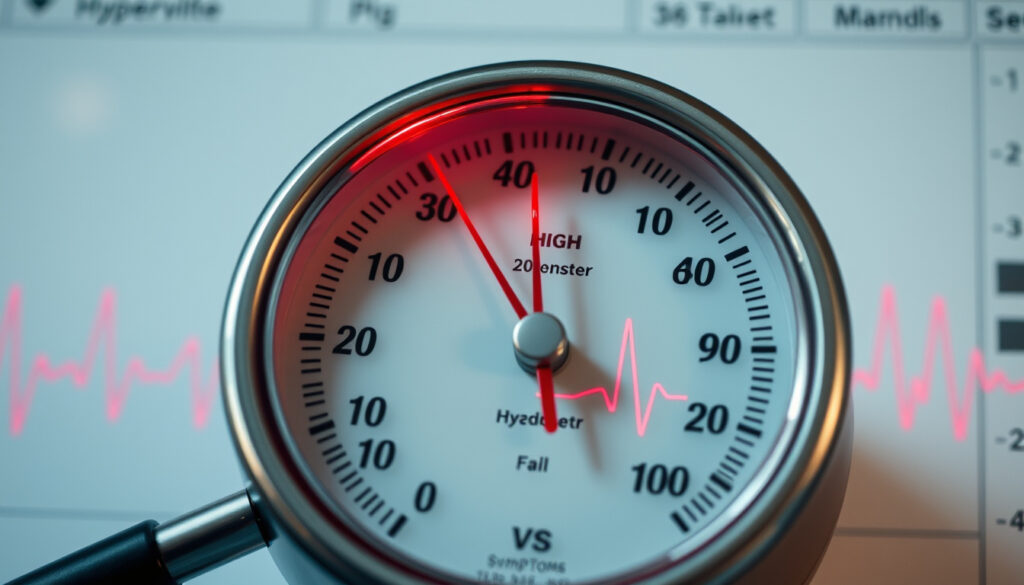
High Blood Pressure Symptoms: Signs, Warnings & Risks
High blood pressure operates as a paradox in modern medicine: a condition so dangerous that it quietly injures arteries and strains the heart for years, yet produces no warning signs that most people can feel. The American Heart Association calls it the “silent killer” because it typically shows no symptoms until emergency care becomes necessary. This guide walks through what science says about symptoms, from the frustrating absence of early clues to the unmistakable signs of a hypertensive crisis.
Usually has symptoms?: No · Only detection method: Blood pressure check · Emergency signs: Chest pain, shortness of breath · Risks increased: Heart attack, stroke · Regular check recommended: Yes
Quick snapshot
- Hypertension usually has no symptoms (Mayo Clinic)
- The only way to detect it: regular blood pressure checks (Mayo Clinic)
- Untreated high blood pressure raises the risk of heart attack, stroke, and aneurysm (Mayo Clinic)
- Exact symptom thresholds vary from person to person
- Some people experience vague signs that could fit many conditions
- Headaches and nosebleeds only appear at severe stages
- BP checks recommended every two years starting at age 18 (Mayo Clinic)
- Home monitoring advised for anyone with elevated readings (Mayo Clinic Special Report)
- Monitor readings daily if diagnosed with hypertension (Mayo Clinic)
- At readings above 180/120 mm Hg with symptoms, call 911 immediately (American Heart Association)
- Recheck after 1 minute if reading exceeds crisis threshold (American Heart Association)
- Nonpharmacologic steps can lower systolic BP by up to 11 mm Hg (AHA Guideline Toolkit)
Blood pressure categories define risk levels and guide treatment decisions, with clear thresholds separating normal readings from emergency situations.
| Blood Pressure Category | Systolic (top number) | Diastolic (bottom number) |
|---|---|---|
| Normal | Less than 120 mm Hg | Less than 80 mm Hg |
| Elevated | 120–129 mm Hg | Less than 80 mm Hg |
| Stage 1 Hypertension | 130–139 mm Hg | 80–89 mm Hg |
| Stage 2 Hypertension | 140 mm Hg or higher | 90 mm Hg or higher |
| Hypertensive Crisis | Above 180 mm Hg | Above 120 mm Hg |
What are the early warning signs of high blood pressure?
Here is the uncomfortable truth: there typically are none. The American Heart Association calls high blood pressure the “silent killer” because it produces no obvious warning signs — not even when readings reach dangerously high levels (American Heart Association). Most people discover hypertension only during a routine check or a medical appointment for something else entirely.
“High blood pressure is often called the ‘silent killer’ because there are usually no signs or symptoms.”
— American Heart Association
Common absence of symptoms
According to the Mayo Clinic, most people with high blood pressure have no symptoms, even when blood pressure readings reach dangerously high levels (Mayo Clinic). This means millions of people walk around with elevated or high blood pressure without any clue anything is wrong. There is no headache, no dizziness, no feeling of pressure — nothing that tells you to check your numbers.
The absence of symptoms does not mean the absence of harm. High blood pressure quietly damages arteries, strains the heart, and increases the risk of stroke — even when you feel perfectly fine.
Severe indicators like headaches
The Mayo Clinic notes that a few people with high blood pressure may experience headaches, shortness of breath, or nosebleeds, but these symptoms are not specific and typically occur only at severe stages (Mayo Clinic). By the time these signs appear, the condition has usually progressed considerably. Headaches can come from many causes, making them an unreliable indicator on their own. The same applies to nosebleeds and mild shortness of breath — all too common and all too nonspecific to serve as reliable warnings.
How do you feel when your blood pressure is too high?
In the vast majority of cases, you feel nothing at all. That is the nature of the condition and the reason it causes so much damage before anyone notices. But when blood pressure climbs high enough to qualify as a hypertensive emergency, the body does send signals that something is seriously wrong.
“Most people with high blood pressure have no symptoms, even if blood pressure readings reach dangerously high levels.”
— Mayo Clinic
Typical lack of feelings
Both the Health Service Executive of Ireland and the Mayo Clinic confirm that high blood pressure does not usually have any symptoms in its standard form (Mayo Clinic). You cannot count on how you feel to tell you whether your blood pressure is elevated, normal, or dangerously high. The condition lives in the body quietly, and the only way to know your numbers is to measure them.
Rare sensations in crisis
When a hypertensive crisis develops, the American Heart Association lists these symptoms requiring immediate medical help: chest pain, shortness of breath, back pain, numbness, weakness, changes in vision, and difficulty speaking (American Heart Association). Cleveland Clinic adds that a hypertensive emergency can cause organ damage including changes in mental function, dizziness, edema, heart palpitations, and seizures (Cleveland Clinic). These are not subtle feelings — they are signs that demand urgent action.
Blood pressure above 180/120 mm Hg is considered a hypertensive emergency requiring immediate medical attention (Mayo Clinic). If you get a reading this high, recheck after 1 minute; if it stays elevated and you have symptoms, call 911 without delay.
What are 7 signs of high blood pressure?
The American Heart Association and Mayo Clinic identify several specific symptoms that can appear, especially in more advanced or emergency situations. Keep in mind these are not everyday signs — they show up late or in crisis scenarios.
Headaches and dizziness
Severe headaches, particularly those described as throbbing at the back of the head, can sometimes accompany very high blood pressure readings. Dizziness may also occur, though it is far more commonly tied to other conditions. These symptoms are not specific enough to diagnose hypertension on their own, but they can serve as a prompt to check your blood pressure if they are unusual for you.
Vision changes and fatigue
Cleveland Clinic notes that hypertensive retinopathy from high blood pressure may lead to vision changes and even vision loss over time (Cleveland Clinic). Fatigue and general tiredness can also accompany sustained high blood pressure, though these symptoms are easy to attribute to busy schedules, poor sleep, or stress. The Mayo Clinic adds that confusion or difficulty concentrating can signal a hypertensive emergency affecting the brain (Mayo Clinic).
Numbness and weakness
Sudden numbness or weakness, particularly on one side of the body, along with vision changes and difficulty speaking, can signal a stroke — a known complication of uncontrolled hypertension (Mayo Clinic). A transient ischemic attack, or TIA — a brief stroke-like episode — can also be a warning sign of an impending full stroke due to high blood pressure (Mayo Clinic). Do not wait these out. Call for help immediately.
What are the signs and symptoms of high blood pressure?
Standard hypertension — meaning the sustained elevated readings most people with this condition live with — has no reliable symptoms, according to the medical consensus from Mayo Clinic and the American Heart Association (Mayo Clinic). This absence is the defining characteristic that makes the condition so insidious. You cannot feel your way to a diagnosis.
Primary versus secondary hypertension signs
Primary hypertension — the most common form, with no single identifiable cause — develops over years and produces no symptoms. Secondary hypertension, caused by an underlying condition like kidney disease or hormonal disorders, also typically produces no symptoms related to blood pressure itself. The symptoms that do appear belong to the underlying condition, not to the blood pressure reading.
When to seek help
The Cleveland Clinic advises that for pregnant individuals, you should call for help if blood pressure reaches 160/110 mm Hg or higher with symptoms like headache, visual changes, or abdominal pain (Cleveland Clinic). This is a different threshold than the general population threshold, reflecting the specific dangers of hypertensive complications in pregnancy, including preeclampsia and eclampsia (Mayo Clinic).
High blood pressure is the leading risk factor for stroke and heart conditions like heart failure and atrial fibrillation (American Heart Association). There is also stronger evidence now that high blood pressure is linked to increased risk of cognitive decline and dementia (American Heart Association). The damage spreads far beyond the heart.
Long-term hypertension quietly rewires the cardiovascular system, forcing the heart muscle to work harder against increased resistance until it eventually weakens.
How to lower blood pressure fast?
There is no magic shortcut, but there are evidence-based steps that can make a measurable difference quickly — and longer-term changes that keep numbers in a healthy range.
Immediate lifestyle steps
The American Heart Association Guideline Toolkit states that nonpharmacologic interventions can reduce systolic blood pressure by up to 11 mm Hg (AHA Guideline Toolkit). That is comparable to what some blood pressure medications achieve. The steps that work fastest include: reducing sodium intake dramatically (within hours for some people), cutting back on alcohol, practicing deep breathing or short walks to lower stress, and drinking water if you are mildly dehydrated.
Home blood pressure monitoring is recommended for anyone tracking their numbers or managing a diagnosed condition (Mayo Clinic). A reliable home monitor gives you data points your body cannot provide — and that data guides whether lifestyle changes are enough or whether medication is needed.
Foods and drinks to avoid
The biggest dietary culprits are high-sodium processed foods, canned soups, cured meats, and restaurant meals. Alcohol in excess raises blood pressure, as does caffeine in sensitive individuals. Sugary foods and refined carbohydrates can contribute indirectly through weight gain and insulin resistance. Replacing these with whole grains, fruits, vegetables, and lean proteins gives the body better tools to regulate pressure naturally.
The trade-off: these changes feel slow and unspectacular compared to a pill. But the evidence shows they work. The American Heart Association notes that stage 2 hypertension (140/90 mm Hg or higher) or stage 1 with a 10-year cardiovascular disease risk of 10% or higher typically requires medication alongside lifestyle changes (AHA Guideline Toolkit). Most people will need both approaches, not one or the other.
Hypertension damages arteries leading to atherosclerosis, angina, and peripheral artery disease (American Heart Association). Untreated high blood pressure can also lead to left ventricular hypertrophy and eventual heart failure (Mayo Clinic). These consequences are silent for years — which is exactly why early action matters, even when you feel fine.
Making these dietary and lifestyle adjustments delivers results: patients who commit to sodium reduction and regular activity often see measurable drops within weeks, reducing their dependence on medication or preventing the need for it altogether.
Related reading: Symptoms of Crohn’s Disease: Early Signs and Triggers · When to Worry About Low Heart Rate: Thresholds & Signs
heart.org, mayoclinic.org, heart.org, mayoclinic.org, mayoclinic.org, heart.org, pages.heart.org
High blood pressure often remains silent, but subtle early symptomssubtle early symptoms like headaches, dizziness, or blurred vision can signal risks before emergencies strike.
Frequently asked questions
What is stroke level blood pressure?
A hypertensive crisis reading above 180/120 mm Hg with symptoms like chest pain, shortness of breath, or neurological changes indicates a medical emergency and risk of stroke. If you get this reading, recheck after 1 minute and call 911 if it remains high (American Heart Association).
Can stress cause high blood pressure?
Acute stress causes temporary spikes in blood pressure, but it is not proven as a direct long-term cause of sustained hypertension. Chronic stress may contribute indirectly through unhealthy coping behaviors — overeating, excessive alcohol, poor sleep. Managing stress through relaxation techniques supports overall cardiovascular health.
What are the 10 causes of high blood pressure?
Primary hypertension has multiple contributing factors: family history, age over 55, excess sodium intake, low potassium, obesity, sedentary lifestyle, alcohol use, and certain chronic conditions. Secondary hypertension has specific causes like kidney disease, sleep apnea, thyroid disorders, and certain medications including decongestants and NSAIDs.
What are the 5 worst foods for blood pressure?
The foods most likely to raise blood pressure are processed meats (high sodium), canned soups, pickles and fermented foods, commercial baked goods (often high in sodium and sugar), and fried foods. Reducing these and replacing them with fresh vegetables, fruits, whole grains, and lean proteins gives your body a better chance to regulate pressure.
What drink quickly lowers blood pressure?
No drink replaces lifestyle changes or medication, but hibiscus tea has some evidence for modest short-term reduction in blood pressure. Beet juice may also produce a temporary effect due to its nitrates. The most reliable approach is cutting sodium, reducing alcohol, and staying physically active.
What are the four signs your heart is quietly failing?
Heart failure from long-term hypertension may show as shortness of breath with normal activity, persistent fatigue, swelling in the feet and ankles, and irregular or rapid heartbeat. These signs develop gradually and are often mistaken for aging or deconditioning. If you have diagnosed hypertension, watch for these and discuss them with your doctor.
For anyone watching their numbers, the path forward is straightforward: measure regularly, act on elevated readings without waiting for symptoms, and combine lifestyle changes with medical treatment when needed. The risks of doing nothing are real, documented, and serious — and the steps to protect yourself are well within reach.
Taking action now—monitoring blood pressure consistently and addressing elevated readings promptly—prevents the silent damage that otherwise accumulates over years, ultimately protecting heart, brain, and arterial health.
More related posts
 Jumanji: Welcome to the Jungle – Plot, Cast, Netflix & Trailer
 Master Your Maths 4 Answers: PDF, Online & Weekly Sheets
 Claddagh Ring How to Wear: Meaning, Finger Position & Rules
 Best Galway Restaurants City Centre: Top Picks & Views
 All-Ireland Football Final: Date, Results, and 2026 Info
 How to Steam Dumplings at Home: Tips, Timing & No-Steamer Hacks
 5’7″ in cm – Convert 5 Feet 7 Inches to Centimeters
 How to Start a Workout Plan: Complete Guide for Beginners