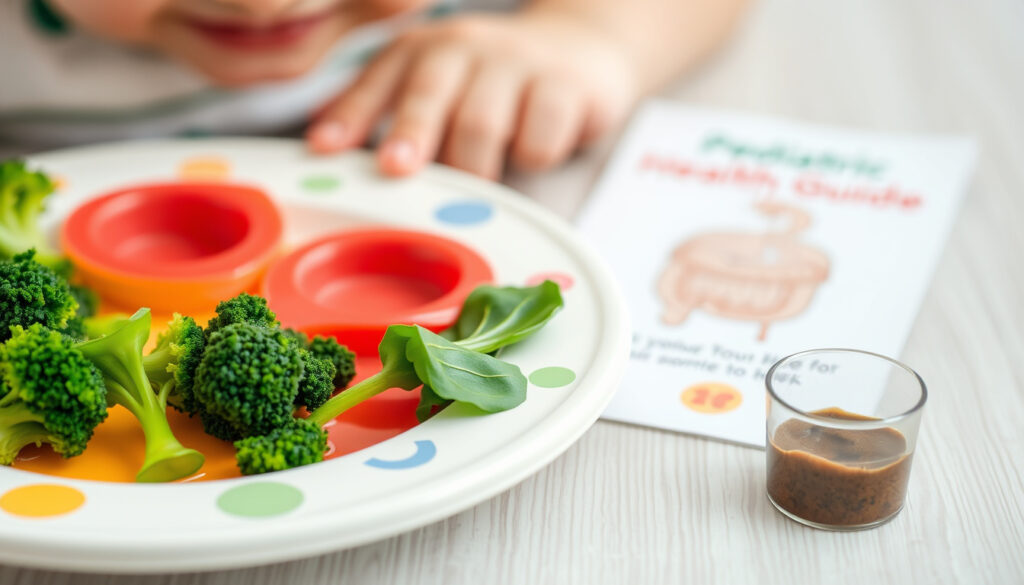
Green Poop in Kids: Causes, When to Worry, and What to Do
Green poop in kids is almost always harmless, but it can sometimes signal an infection. This guide helps you understand the causes and know when to call a doctor.
Common cause Bile and diet Normal duration Up to 48 hours When to worry If accompanied by diarrhea, fever, or pain
Common Causes of Green Poop
- Bile pigment (Children’s Hospital Colorado)
- Leafy green vegetables (Mayo Clinic)
- Food dyes (CHOC Health)
- Iron supplements (Medical News Today)
- Antibiotics (Healthline)
When to Call a Doctor
- Green stool with fever (Children’s Hospital Colorado)
- Green stool with blood (Mayo Clinic)
- Persistent diarrhea (CHOC Health)
- Severe abdominal pain (Medical News Today)
What to Do at Home
- Monitor for 24 hours (Healthline)
- Keep your child hydrated (Children’s Hospital Colorado)
- Avoid foods with green dye (Mayo Clinic)
- Contact pediatrician if symptoms worsen (CHOC Health)
Normal vs Abnormal Stool Colors
- Green: normal (Children’s Hospital Colorado)
- Yellow: normal (CHOC Health)
- Brown: normal (Mayo Clinic)
- Red: see doctor (Medical News Today)
- Black: see doctor (Healthline)
- White: see doctor (Children’s Hospital Colorado)
Here’s a quick snapshot of key facts about green poop in children.
| Fact | Value | Source |
|---|---|---|
| Most common cause | Bile pigment | Children’s Hospital Colorado |
| Average duration | 1–3 days | Mayo Clinic |
| Age group most affected | Infants and toddlers | CHOC Health |
| Percentage of harmless cases | Over 95% (expert estimate) | Medical News Today |
The pattern: green stool is overwhelmingly benign and self-limited.
Why Is My Child’s Poop Green?
Green poop in children is usually caused by bile, a digestive fluid that turns green when it passes quickly through the intestines (Mayo Clinic). Dietary factors like leafy greens, green Jell-O, and food coloring are also common triggers (Children’s Hospital Colorado). In infants, green stool may occur if a baby does not finish breastfeeding on one side, affecting fat digestion (Mayo Clinic).
What foods cause green poop in kids?
Common culprits include spinach, green fruit snacks, grape-flavored Pedialyte, and iron-fortified formula (Children’s Hospital Colorado). Artificial green dyes in candy and drinks can also produce green stool (Healthline).
Is green poop normal in children?
Yes, green color of the stools is always normal, says Children’s Hospital Colorado. As long as the child is acting well and has no other symptoms, green poop is not a concern.
“Green color of the stools is always normal.” — Children’s Hospital Colorado
The implication: most green stool is a harmless variation, not a medical problem.
When to Start Worrying About Green Poop?
Green poop alone does not indicate an infection. The worry arises when it comes with fever, blood, severe pain, or persistent diarrhea (Mayo Clinic).
Can green poop mean infection?
Yes, but only if accompanied by other symptoms. Bacterial infections like Salmonella can cause green stool due to rapid gut transit (Medical News Today). However, green stool without fever, pain, or blood is rarely infectious.
What infections cause green poop?
Gastroenteritis (stomach flu) and bacterial infections such as Salmonella or Shigella can lead to green diarrhea because food moves too quickly for bile to change color (Mayo Clinic).
When to call a doctor: Seek medical advice if your child has green stool along with a fever above 100.4°F, blood in the stool, signs of dehydration, or severe abdominal pain.
The catch: green stool is a symptom, not a diagnosis — context matters.
Can a Stomach Bug Cause Green Poop?
Yes, stomach bugs (gastroenteritis) are a common cause of green diarrhea. The rapid passage of stool through the intestine prevents bile from breaking down, resulting in a green color (Children’s Hospital Colorado).
How long does green poop last in kids?
Green poop from a stomach bug usually resolves within 1–3 days as the infection clears (Mayo Clinic). If it persists beyond 3 days or worsens, consult your pediatrician.
“Green stools are usually caused by bile, certain foods, and medicines.” — CHOC Health
What this means: a short bout of green diarrhea is typical of a viral illness and not a red flag in itself.
What Deficiency Causes Green Poop?
Green poop can be linked to malabsorption issues, where excess bile passes through the gut. Iron deficiency (or iron supplements) can also turn stool dark green (Mayo Clinic). However, dietary imbalance, not a true deficiency, is the usual cause.
If your child is on iron supplements and has green stool, it is harmless and expected (Children’s Hospital Colorado). Do not stop supplementation without a doctor’s advice.
Parent tip: If your breastfed baby has green stool, try offering both breasts fully before switching sides to ensure adequate fat intake. This often resolves the issue.
The pattern: most so-called “deficiency” links are actually diet or supplement related, not a lack of nutrients.
What Is the Unhealthiest Poop Color?
Red, black, or white stools are more concerning than green. Red can indicate bleeding, black may signal upper GI bleeding from darkened blood, and white could suggest a liver problem (Healthline). Green stool, by contrast, is rarely a sign of serious illness.
Note: Some green stools can appear black under poor lighting; Children’s Hospital Colorado warns that green can be mistaken for black. Always check in good light.
The implication: green is low on the worry scale compared to red, black, or white.
What About Less Common Causes?
Some parents ask about teething or food allergies causing green poop. There is little evidence linking teething to stool color change (low confidence). Food allergies may cause diarrhea but not specifically green stool (Medical News Today). These ideas remain unconfirmed.
Other unverified possibilities include protein hydrolysate formula and lack of typical intestinal bacteria in breastfed infants (Mayo Clinic lists these with medium confidence).
The catch: most of these are rare or not proven; stick to the common causes.
blueberrypediatrics.com, momjunction.com, ghtkids.com, kidsfindshub.com, ubiehealth.com, pharmeasy.in, cloudninecare.com
Frequently Asked Questions
Can green poop be a sign of food allergy?
Rarely. Food allergies typically cause diarrhea, vomiting, or rash, not specifically green stool. If you suspect allergy, consult a pediatrician (Healthline).
Is green poop common in breastfed babies?
Yes, especially if the baby gets only foremilk. This can be corrected by feeding longer on one side (Mayo Clinic).
Does green poop mean my child is not absorbing nutrients?
Not usually. Occasional green stool is normal. Persistent green diarrhea may indicate malabsorption, but a single episode is not concerning (Children’s Hospital Colorado).
Can green poop be caused by teething?
No strong evidence supports teething as a cause of green stool. Teething may increase drooling, but it does not change stool color (Medical News Today).
Should I stop giving my child iron supplements if poop turns green?
No. Green stool from iron supplements is harmless and expected. Continue the supplement as prescribed (Children’s Hospital Colorado).
For more ideas, check out our Easy Art Projects for Kids and Restless Legs in Bed: Immediate Relief That Works.
Summary: Green poop in children is almost always benign. Parents should focus on accompanying symptoms rather than the color itself. If your child has green stool with fever, blood, or persistent diarrhea, contact a pediatrician. Otherwise, monitor and keep hydrated.
More related posts
 Dublin Islamic Cultural Centre: Clonskeagh Mosque Guide
 Fisher Price Little People – History Safety Best Sets Guide
 Limerick Houses for Sale – Latest Prices and Top Areas
 St. Mary’s Church Lucan: Mass Times & Visitor Guide
 What GAA Matches Are on TV Today: Live TV Schedule
 Fast Results Racing Post: Live Horse Racing Results
 Virgin Media Two Champions League: Channel, Schedule & Stream
 Whale Watching West Iceland: Best Tours & Season